

Combatting the Stomach Flu? Join Our Norovirus Vaccine Study in Carrollton and Plano
Norovirus, often called the “stomach flu,” is one of the most common causes of acute gastroenteritis worldwide. It spreads rapidly, causes sudden, uncomfortable symptoms, and leads to millions of illnesses each year. Although most people recover within a few days, the virus can spread quickly through families, schools, workplaces, and community settings.
Scientists are developing new ways to stop norovirus, including promising new vaccines. People can help this work by joining a study. ACRC Trials is looking for volunteers for a norovirus vaccine study in Carrollton and Plano. If you are 60 or older and want to help medical research, and possibly get early access to new preventive treatments, you might be able to join.
This article explains what norovirus is, why prevention research matters, and how you can participate in a Norovirus vaccine clinical study currently enrolling in Carrollton and Plano.
What Is 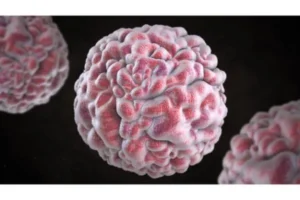 Norovirus?
Norovirus is highly infectious and causes stomach and gut inflammation, a condition called gastroenteritis. Symptoms typically appear quickly and can be severe, usually fading within 1 to 3 days. Since the virus spreads easily through tainted surfaces, food, water, and close contact, it often causes outbreaks in places like schools, cruise ships, hospitals, and eateries. This virus is behind many instances of what people generally call the stomach flu, even though it’s not actually connected to the influenza virus.
Common symptoms of norovirus infection include:
- Nausea
- Vomiting
- Diarrhea
- Stomach cramps
- Low-grade fever
- Body aches and fatigue
Why Norovirus Is Difficult to Prevent
Norovirus spreads very easily; only a tiny amount of the virus can make someone sick. This virus can also remain active on surfaces for a long time and isn’t killed by many common cleaning products.
Several factors make prevention challenging:
- The virus spreads easily through contaminated food or water.
- It can survive on surfaces like countertops, doorknobs, and phones.
- People can spread the virus before symptoms begin.
- Reinfection is possible because immunity may not last long.
Because of these factors, researchers have been exploring vaccines that could help protect individuals and reduce the spread of outbreaks.
The Importance of Norovirus Vaccine Research
Developing a safe and effective norovirus vaccine could significantly reduce illness worldwide. Vaccines have historically been among the most effective tools for preventing infectious diseases, and researchers hope a norovirus vaccine could help prevent millions of cases of gastroenteritis each year.
Clinical trials are a crucial step in developing new vaccines. These studies help researchers evaluate:
- Safety of the vaccine candidate
- Immune response in participants
- Effectiveness in preventing infection
- Optimal dosing and administration
By participating in a clinical study, volunteers help researchers gather the information needed to advance medical science and potentially bring new preventive options to the public.
Norovirus Vaccine Study Now Enrolling in Carrollton and Plano
 ACRC Trials is seeking volunteers in the Dallas–Fort Worth area, including Carrollton and Plano, to participate in a study evaluating a norovirus vaccine. This study aims to test a new vaccine that could prevent norovirus.
Participants in the study may receive:
- Study-related medical evaluations
- Investigational vaccine or placebo
- Medical screening by experienced research staff
- Compensation for time and travel if you qualify
To learn more about eligibility and study details, visit the official study page:
https://www.acrctrials.com/studies/norovirus-vaccine/
Why Participate in a Clinical Trial?
Participants in medical studies are very important for improving health care. If there were no volunteers, new medicines and therapies could not be thoroughly checked and given the go-ahead.
Benefits of participating in research may include:
- Helping advance medical knowledge
- Access to investigational treatments being studied
- Close monitoring by qualified research staff
- Contributing to the potential future prevention of disease
Participation is always voluntary, and every clinical trial follows strict ethical and regulatory guidelines to protect participant safety.
Help Advance Norovirus Prevention
 Norovirus continues to affect millions of people every year, disrupting daily life and causing significant discomfort. Research into vaccines may offer a promising path toward better prevention.
Residents of Carrollton, Plano, and the wider Dallas–Fort Worth region may be eligible to participate in the ACRC Trials’ study on a Norovirus vaccine. To find out whether you qualify and how to join, visit: https://www.acrctrials.com/studies/norovirus-vaccine. Taking part in a clinical trial aids scientists in their efforts to stop the stomach flu from spreading globally.