

Why the RSV Clinical Trial in Texas Matters for Community Health
The RSV Vaccine Study Texas is a groundbreaking effort to improve respiratory health and advance RSV prevention in local communities. Respiratory syncytial virus, commonly called RSV, affects thousands of people every year. Infants, young children, and older adults are particularly vulnerable. This clinical trial is designed to test a new vaccine that could protect at-risk populations and provide critical data for public health initiatives. Participation in studies like this helps researchers develop effective strategies for combating RSV while supporting community health efforts across the state.
Clinical research plays a vital role in understanding how diseases like RSV spread and how vaccines can prevent them. By joining this study, volunteers contribute to scientific knowledge while gaining access to thorough medical monitoring.
Understanding RSV and Its Risks
RSV is a respiratory virus that primarily affects the lungs and airways. In healthy adults, RSV may cause mild cold-like symptoms. However, for infants and older adults, RSV can lead to severe illness, including pneumonia and bronchiolitis. RSV spreads easily through respiratory droplets, making prevention strategies critical.
The Importance of RSV Prevention
Effective RSV prevention reduces hospitalizations and protects vulnerable populations. Public awareness, hygiene practices, and vaccination are all essential in controlling outbreaks. The RSV Vaccine Study Texas is part of a larger effort to identify vaccines that can help communities stay healthy.
Communities that participate in clinical trials benefit from early access to medical oversight and contribute to research that may save lives. By preventing RSV, families experience fewer illnesses, and healthcare systems face less strain during peak seasons.
About the RSV Vaccine Study Texas
The RSV Vaccine Study Texas evaluates the safety and effectiveness of a new vaccine aimed at preventing RSV infections. Volunteers in the study receive close monitoring from medical professionals throughout the trial. This ensures both participant safety and reliable research data.
Goals of the Study
The primary goal of this clinical trial is to determine how well the vaccine prevents RSV. Researchers also monitor side effects and immune response. The study is carefully structured to ensure that volunteers have a positive experience while contributing valuable information.
Role of Volunteers
Volunteers play a central role in the success of clinical trials. By participating, they provide insights that help scientists understand how the vaccine performs in real-world conditions. The data collected contributes to RSV prevention strategies that can impact entire communities.
This study is part of a broader network of research. Vaccine clinical trials and paid clinical trials have contributed to advancements in preventive medicine. These studies highlight how local participation drives meaningful results in public health.
How Respiratory Vaccine Trials Benefit Communities
Respiratory vaccine trials provide critical information for the development of vaccines that prevent infections. Communities gain when these studies identify effective ways to reduce the spread of viruses like RSV.
Direct Benefits to Participants
For example, participants in the RSV Vaccine Study Texas receive close medical supervision throughout the trial. This includes health screenings, vaccine administration, and follow-up assessments. Volunteers gain valuable information about their own respiratory health while contributing to a broader understanding of RSV prevention.
Community-Wide Impact
The findings from these trials help public health officials make informed decisions about vaccine recommendations. Effective vaccines reduce hospitalizations, improve quality of life, and protect vulnerable populations. By supporting clinical trials, communities actively participate in the development of preventive measures that save lives.
Participation Locations and Opportunities
The RSV Vaccine Study Texas is conducted at multiple research sites across the state. Volunteers are recruited from cities such as Plano and Austin. This provides convenient access for individuals interested in contributing to clinical research.
Paid Clinical Trials
Some study locations offer paid clinical trials. These trials compensate volunteers for their time and participation while ensuring rigorous medical oversight. Participation helps volunteers contribute to public health research and receive medical evaluations that may otherwise be difficult to access.
Contraceptive Clinical Trials Austin
The variety of studies available in Texas demonstrates the state’s commitment to clinical research. Contraceptive clinical trials Austin highlight how different types of studies work together to advance healthcare knowledge. The RSV Vaccine Study Texas focuses specifically on respiratory health but is part of a wider network of clinical research opportunities.
What to Expect During the RSV Vaccine Study
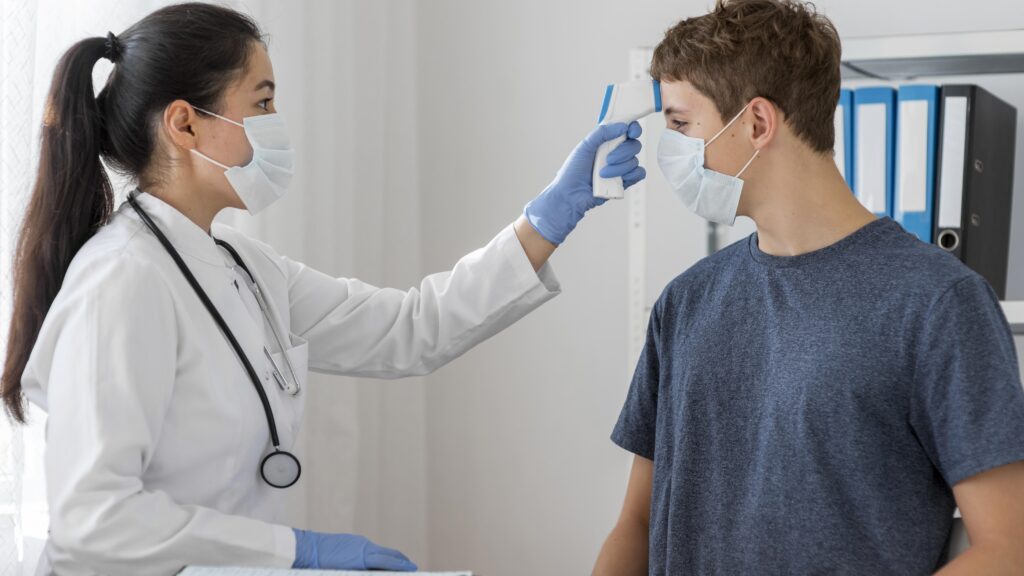
Participants in the RSV Vaccine Study Texas experience a structured and safe process. Medical staff conduct initial screenings to determine eligibility. Eligible volunteers then receive the vaccine under monitored conditions.
Step-by-Step Process
- Screening: Volunteers undergo medical evaluations to ensure they meet study criteria.
- Vaccine Administration: The vaccine is administered following strict safety protocols.
- Follow-Up Visits: Participants return for scheduled visits to monitor side effects and measure immune response.
These steps are designed to make participation manageable, safe, and informative. Volunteers can expect clear instructions and attentive medical care throughout the study.
The Role of RSV Prevention in Public Health
RSV prevention is essential for maintaining public health, particularly in communities with vulnerable populations. Clinical trials like the RSV Vaccine Study Texas play a critical role in identifying vaccines that can reduce infections.
Long-Term Benefits
By preventing RSV infections, communities experience fewer hospitalizations, lower healthcare costs, and improved quality of life. Children and older adults, who are most at risk, receive the most direct benefits. Families also benefit by reducing the spread of RSV within households.
Supporting Community Health
Participation in clinical trials supports a larger goal of public health improvement. Volunteers help researchers test vaccines that could eventually be available to everyone. Every participant contributes to the data that shapes future RSV prevention strategies.
Advancing Research Through Local Participation
Local participation in clinical research ensures that studies reflect real-world conditions. Cities like Plano and Austin provide diverse populations that help researchers understand how vaccines perform across different groups.
Importance of Diverse Volunteers
Diverse volunteers ensure that study results are applicable to the wider population. Respiratory vaccine trials benefit when participants come from a variety of ages, backgrounds, and health statuses. This diversity leads to vaccines that work effectively for more people.
Collaboration with Healthcare Providers
Collaboration between researchers and healthcare providers strengthens community trust in clinical trials. Participants receive expert medical care, and providers gain insight into the latest advances in RSV prevention.
The Future of RSV Prevention in Texas
The RSV Vaccine Study Texas is just one step toward broader prevention efforts. Data from this study will help inform vaccine development, distribution, and public health campaigns.
Expanding Vaccine Access
Successful trials could lead to wider access to RSV vaccines across Texas. This would reduce the impact of RSV on families, hospitals, and communities. Early participation in clinical trials helps bring these vaccines to the public sooner.
Continuing Clinical Research
The ongoing efforts in Texas, including vaccine clinical trials Plano and paid clinical trials Plano, demonstrate the state’s commitment to improving health outcomes. These studies provide a foundation for future research and medical breakthroughs.
Conclusion
The RSV Vaccine Study Texas represents a crucial effort in protecting communities from respiratory illnesses. By participating in the study, volunteers contribute to RSV prevention and support the development of safe, effective vaccines. Communities benefit from reduced hospitalizations, improved public health, and access to the latest medical research.
Participation in local clinical trials, whether in Plano, Austin, or other areas, strengthens public health initiatives and ensures that vaccines meet the needs of diverse populations. The RSV Vaccine Study Texas not only advances science but also empowers communities to take an active role in respiratory health.
Volunteers in this study are helping to shape the future of RSV prevention in Texas. Their contributions are essential to building healthier communities and improving outcomes for children, adults, and older adults. Supporting clinical research strengthens the foundation of public health while providing participants with valuable medical insight.