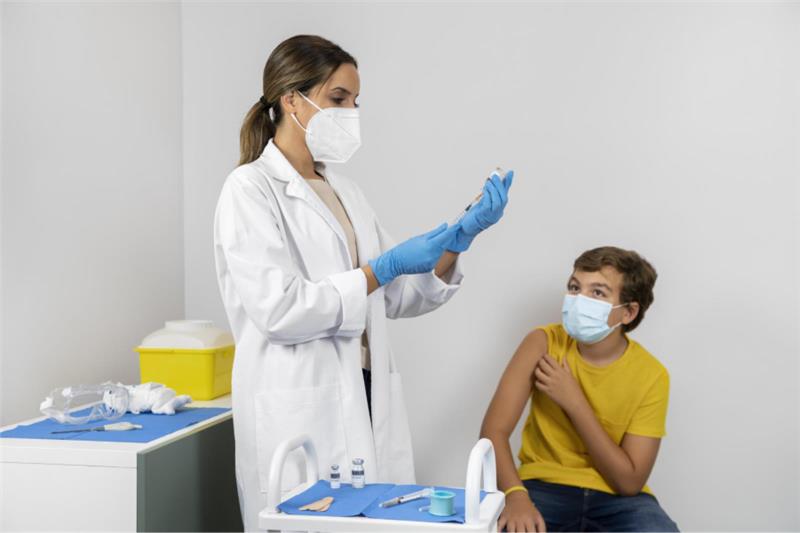

GSK Children’s MMRVNS Vaccine Study-Eligibility for Ages 15 Months to 6 Years

GSK Children’s MMRVNS Vaccine Study-Eligibility for Ages 15 Months to 6 Years

GSK Children’s MMRVNS Vaccine Study-Eligibility for Ages 15 Months to 6 YearsThe health and safety of our children are the pillars of a thriving community. As medical science advances, clinical research remains the most critical tool we have to protect the next generation from preventable diseases. At ACRC Trials, we are proud to be at the forefront of this journey, offering families the opportunity to participate in the GSK Children’s MMRVNS (Chickenpox) Vaccine Study.

This study, specifically designed for children aged 15 months to 6 years, aims to evaluate investigational vaccine options that could further the reach of preventive medicine. If you have been searching for “Vaccine clinical trials Plano” or looking for pediatric research opportunities in Austin, Houston, or Carrollton, this guide provides a comprehensive look at what you can expect when partnering with ACRC Trials.

The Heart of Pediatric Clinical Research

At ACRC Trials, we understand that the word “clinical trial” can sometimes feel overwhelming for parents. Our brand voice is built on a simple promise: You can trust us to guide you on this journey. We explain complex science in a simple, clear way so you feel confident in your decisions. Your child’s safety and comfort are at the heart of everything we do.

Clinical trials are carefully designed research studies that involve people to help find better ways to prevent, diagnose, or treat diseases. Pediatric trials, such as the GSK MMRVNS study, are essential because children’s immune systems respond differently from adults'. By participating, your family becomes a “hero” in the story of medical advancement, helping to ensure that future vaccines are safe and effective for all children.

Understanding the GSK Children’s MMRVNS Vaccine Study

Understanding the GSK Children’s MMRVNS Vaccine StudyThe MMRVNS study focuses on immunizations for Measles, Mumps, Rubella, and Varicella-zoster (chickenpox). While these vaccines have been staples of pediatric care for decades, ongoing research is needed to optimize formulations, evaluate new combinations, and ensure long-term efficacy.

Who is Eligible?

Eligibility for clinical trials is determined by specific “inclusion and exclusion criteria.” For this particular study, the primary focus is on:

  • Age Range: Children between 15 months and 6 years of age.
  • Health Status: Generally healthy children who are up to date on their required medical screenings for their age.
  • Geographic Location: We serve communities across Texas, including Plano, Carrollton, Austin, Grapevine, Frisco, and Houston.
    To find out if your child qualifies, you do not need health insurance or a referral from a primary care physician. Our medical team conducts a no-cost medical consultation to review your child’s health history and ensure they are a safe match for the study.

The Benefits of Joining a Paid Clinical Trial in Texas

Participation in a clinical trial at ACRC Trials is completely voluntary, but it comes with a range of benefits designed to support your family throughout the process.

  1. No-Cost Study-Related Care: When your child is enrolled in a study, they receive study-related health exams and medical monitoring at no cost to you. These evaluations are performed by highly trained professionals and licensed medical investigators. This provides an additional layer of health oversight for your child during their most formative years.
  2. Access to Investigational Medication: Participants may receive the investigational vaccine before it is widely available to the general public. This allows your family to be at the leading edge of preventive healthcare.
  3. Reimbursement for Time and Travel: We recognize that participating in a study requires a commitment from parents and caregivers. To honor this, participants can receive reimbursement for time and travel. Depending on the specific protocol and the number of visits required, families may receive up to $1,855 or more for their time and travel. These payments are typically provided after each completed visit.
  4. Contributing to a Global Cause: Enrolling your child in a study like the GSK MMRVNS vaccine trial or even exploring our Pediatric Covid Vaccine study means you are contributing to a legacy of health. The data gathered today will protect millions of children tomorrow.

Our Clinical Approach: Safety and Ethics First

Safety is the foundation of every study conducted at ACRC Trials. We follow a Patient-Centered Treatment Philosophy, which means participant autonomy and informed consent are our top priorities.

Ethical Oversight

Every study we conduct is overseen by an Institutional Review Board (IRB). The IRB is an independent committee that ensures the study is ethical and that participants' rights are protected. Furthermore, we strictly adhere to FDA regulations and Good Clinical Practice (GCP) standards.

Comprehensive Monitoring

Throughout the duration of the MMRVNS study, your child will undergo regular study-related follow-up visits. This constant monitoring ensures that any questions or concerns are addressed immediately by our medical team. We maintain strict data confidentiality in accordance with HIPAA standards, ensuring your family’s privacy is always protected.

What to Expect: Your Path to Participation
GSK Children’s MMRVNS Vaccine Study-Eligibility for Ages 15 Months to 6 YearsIf you are interested in enrolling your child, we have simplified the process to ensure it is as stress-free as possible.

Step 1: Initial Inquiry

You can start by calling us at (972) 354-1520 or completing the submission form on our website. You don’t need to have a medical background; our screeners are trained to explain things simply.

Step 2: The Medical Screening

A professional medical screener will contact you to conduct a preliminary interview. If your child appears to be a match, we will invite you to one of our modern facilities in Plano, Austin, or Houston for a no-cost medical consultation.

Step 3: Informed Consent

Before any study-related procedures begin, we provide a detailed “Informed Consent” document. This explains the study's purpose, duration, procedures, and potential risks. We encourage parents to ask as many questions as they need until they feel 100% confident.

Step 4: Study Visits

During the study, you will bring your child in for scheduled visits. These may include study-related physical exams, lab assessments, and administration of the investigational vaccine. Our staff, such as Tina or Priya (who our participants frequently praise for their “warmth and joyful spirit”), will be there to make the experience comfortable.

Promoting Wellness and Preventive Health

While our primary work is in clinical research, ACRC Trials is dedicated to the holistic well-being of the communities we serve. We believe that clinical trials are just one part of a healthy lifestyle.

For parents, we recommend focusing on:

  • Nutrition: Fueling growing bodies with whole foods to support immune function.
  • Routine Care: Maintaining regular check-ups with pediatricians alongside study participation.
  • Education: Staying informed about the latest developments in vaccine science and pediatric health.

Our blog and educational resources are designed to reduce apprehension and build trust. We want every parent to feel like a partner in research, not just a participant.

Frequently Asked Questions (FAQs)

Do I need insurance to participate in the MMRVNS study? No. You do not need health insurance, a doctor’s referral, or proof of citizenship. Our trials are open to the public, and all study-related care is provided at no cost.

Is participating in a vaccine trial safe? Yes. All studies follow strict FDA regulations and ethical guidelines. Participants are monitored closely by licensed medical professionals throughout the study. Clinical trials are the standard method for ensuring that medical treatments are safe for the general population.

What if my child doesn’t qualify today? If your child doesn’t meet the specific criteria for the MMRVNS study right now, don’t worry. We will keep your information on file and contact you when a new study opens that matches your profile. Many of our families return for future trials once they become eligible.

Where are the study sites located? We have multiple convenient locations to serve you:

  • Plano (Headquarters): 5655 W Spring Creek Pkwy, Suite 125, Plano, TX 75024.
  • Additional Sites: Our reach extends to Carrollton, Austin, Grapevine, Frisco, and Houston.

Join the ACRC Trials Community

Join the ACRC Trials Community
By choosing ACRC Trials, you are choosing a team that treats you like family. 

As our participant Kerry Doss shared, “Priya, Andy, and staff are super good and excellent!! They always make me feel comfortable and valued while administering care with warmth and a joyful spirit!!”
We are here to make your experience safe, comfortable, and rewarding. Whether you are interested in the GSK Children’s MMRVNS Vaccine Study or are looking for information on other pediatric health initiatives, we are ready to answer your questions.

Take the Next Step

The advancement of medicine depends on the courage and participation of families like yours. Help us create a healthier tomorrow for all children.

Visit ACRC Trials today to see if you qualify for an enrolling study! Contact Information:

What is the RSV Vaccine Study Texas ?

It is a clinical trial testing a new vaccine to help prevent RSV infections and improve protection for vulnerable groups.

Eligibility depends on age, health, and study criteria. Interested volunteers complete a screening at participating clinical trial centers. 

Participants receive the vaccine, attend follow up visits, and are monitored to evaluate safety and immune response. 

Preventing RSV helps reduce severe respiratory illness, hospitalizations, and complications in children and older adults.

Volunteers support vaccine research that strengthens public health and helps protect communities from RSV outbreaks. 

It is a clinical trial testing a new vaccine to help prevent RSV infections and improve protection for vulnerable groups.

Eligibility depends on age, health, and study criteria. Interested volunteers complete a screening at participating clinical trial centers. 

Participants receive the vaccine, attend follow up visits, and are monitored to evaluate safety and immune response. 

Preventing RSV helps reduce severe respiratory illness, hospitalizations, and complications in children and older adults.

Volunteers support vaccine research that strengthens public health and helps protect communities from RSV outbreaks. 

Vaccine Clinical Trials- How They Work, Benefits, and How to Join

Vaccine Clinical Trials in Dallas- How They Work, Benefits, and How to Join

Vaccine Clinical Trials- How They Work, Benefits, and How to JoinVaccines are one of the most important advances in modern medicine, helping prevent disease, reduce hospitalizations, and save lives worldwide. But before any vaccine becomes publicly available, it must undergo a detailed, highly regulated process known as a clinical trial.

If you’ve been curious about participating in a vaccine study, this guide breaks down exactly how vaccine clinical trials work, what to expect, and why thousands of people choose to participate each year.

What Are Vaccine Clinical Trials?

Vaccine clinical trials are research studies designed to evaluate the safety, effectiveness, and immune response of the latest vaccines. These studies are performed under strict medical supervision and follow guidelines set by regulatory bodies such as the U.S. Food and Drug Administration (FDA).

Each trial goes through phases:

  • Phase 1: Is a small group testing for safety
  • Phase 2: The testing expands to evaluate and test for dosage and response
  • Phase 3: Large-scale testing for effectiveness and side effects

Only after successfully passing these phases can a vaccine move toward approval and public use.

Why Vaccine Clinical Trials Matter

Why Some Families Choose to ParticipateClinical trials are essential to developing healthcare. Without volunteers, new vaccines simply wouldn’t exist. These studies help:

  • Prevent the transmission of infectious diseases
  • Improve existing vaccines for better protection
  • Develop solutions for emerging health threats
  • Strengthen global public health systems

Every participant contributes to research that can impact millions of lives.

Benefits of Participating in a Vaccine Trial

Participating in a vaccine clinical trial offers both personal and public benefits:

Access to the Latest Medical Care

Participants receive close monitoring of study-related activities by qualified healthcare professionals throughout the study.

No-Cost Study-Related Care

Most trials include physical exams, lab work, and study-related treatments at no cost if you qualify.

Compensation for Participation

Many studies offer financial compensation for time, travel, and participation milestones. Currently, ACRC vaccine clinical trials compensate eligible participants up to $1,855 for time and travel.

No Insurance or Proof of Residency or Citizenship Required

You can often participate regardless of insurance status.

Create a Meaningful Impact

Your involvement helps accelerate medical breakthroughs that benefit communities internationally.

How the Process Works

Vaccine-Clinical-Trials-How-They-Work- Benefits-and-How-to- Join(1)Joining a vaccine clinical trial is simple and structured for your safety:

  1. Sign Up: Submit your interest through a quick form
  2. Pre-Screening: A team reviews your eligibility
  3. Medical Evaluation: Receive a no-cost consultation if qualified
  4. Participation: Receive the study vaccine or placebo
  5. Follow-Up Visits: Attend scheduled check-ins for monitoring
  6. Compensation: Earn payment based on participation

Are Vaccine Clinical Trials Safe?

Safety is the top priority in all clinical research. Trials follow firm protocols, including:

  • Oversight by medical professionals and ethics boards
  • Continuous health monitoring
  • Detailed informed consent before participation
  • The ability to withdraw at any time

These safeguards ensure that participants are protected at every stage of the study.

Who Can Participate?

Eligibility varies depending on the study, but many vaccine trials are looking for:

  • Healthy adults or specific age groups
  • Individuals willing to attend follow-up visits
  • Participants who meet basic health criteria

Even if you’re unsure, screening is typically free and only takes a few minutes.

What to Expect During the Trial

Participants may anticipate a structured experience that may include:

  • Routine study-related health assessments
  • Study related blood tests and lab work
  • Investigational vaccine or placebo administration
  • Active monitoring and communication

Medical teams guide you through every step, assuring transparency and assistance throughout the process.

Why Now Is the Right Time to Participate

As new viruses emerge and healthcare continues to evolve, vaccine research is more important than ever. Clinical trials are at the center of innovation, helping bring safer, more effective vaccines to market faster. By participating, you’re not just receiving possible benefits; you’re actively adding to the future of medicine.

Why Choose ACRC Trials for Vaccine Clinical Trials?

Novavax COVID-19 Vaccine Study in Texas (Ages 50–64)When considering participation, choosing the right research center matters. ACRC Trials is a trusted clinical research organization dedicated to advancing medicine through high-quality, patient-focused studies.

Here’s what sets them apart:

  • Experienced Medical Team: Skilled professionals with deep experience in clinical research and patient care
  • Participant-Focused Approach: Clear communication, transparency, and support throughout your journey
  • Wide Range of Studies: Access to ongoing vaccine trials and other research opportunities
  • Convenient Process: Streamlined screening and onboarding designed to make participation simple
  • Commitment to Safety: Strict adherence to regulatory guidelines and participant protection

Whether you’re new to clinical trials or have participated before, ACRC Trials provides a supportive and professional environment to get involved.

Get Started Today

If you’re ready to explore participation in a vaccine clinical trial, the next step is simple:

Visit the ACRC Trials vaccine study page, check your eligibility, and connect with a medical team that can guide you through the process.


What is the RSV Vaccine Study Texas ?

It is a clinical trial testing a new vaccine to help prevent RSV infections and improve protection for vulnerable groups.

Eligibility depends on age, health, and study criteria. Interested volunteers complete a screening at participating clinical trial centers. 

Participants receive the vaccine, attend follow up visits, and are monitored to evaluate safety and immune response. 

Preventing RSV helps reduce severe respiratory illness, hospitalizations, and complications in children and older adults.

Volunteers support vaccine research that strengthens public health and helps protect communities from RSV outbreaks. 

It is a clinical trial testing a new vaccine to help prevent RSV infections and improve protection for vulnerable groups.

Eligibility depends on age, health, and study criteria. Interested volunteers complete a screening at participating clinical trial centers. 

Participants receive the vaccine, attend follow up visits, and are monitored to evaluate safety and immune response. 

Preventing RSV helps reduce severe respiratory illness, hospitalizations, and complications in children and older adults.

Volunteers support vaccine research that strengthens public health and helps protect communities from RSV outbreaks. 

Clinical Trials Now Enrolling in Texas: High Blood Pressure, Pediatric Vaccines, and Novavax COVID-19 Studies

Clinical Trials Now Enrolling in Texas: High Blood Pressure, Pediatric Vaccines, and Novavax COVID-19 Studies

Clinical Trials Now Enrolling in Texas: High Blood Pressure, Pediatric Vaccines, and Novavax COVID-19 StudiesNew medical discoveries aren't instant; they result from clinical studies involving actual individuals. If you've questioned how new medicines and vaccines emerge, clinical trials are the simple explanation.

Right now, ACRC Trials is enrolling and preparing to enroll participants in several important clinical studies across Texas, including research focused on high blood pressure, pediatric vaccines, and the Novavax COVID-19 vaccine.

These studies offer qualified participants the opportunity to access investigational care, receive close medical monitoring, and contribute to the future of medicine—all while conceivably receiving compensation for time and travel.

If you’re searching for clinical trials in Texas, this guide will lead you through available opportunities, eligibility criteria, and what you can expect when participating.

Why Clinical Trials Matter More Than Ever

Clinical trials are the foundation of modern medicine. Every FDA-approved medication, vaccine, and treatment available today was once studied in a clinical research setting.

But beyond the science, clinical trials are about people—individuals and families who choose to explore new possibilities for care while advancing healthcare for others.

Key Benefits of Participating in a Clinical Trial

Why Some Families Choose to ParticipateBased on the study and its requirements, participants might get:

✔️ Early access to investigational treatments or vaccines before they are generally offered

✔️ No-cost medical care related to the study (if eligible)

✔️ Reimbursement for their time and travel for participants in many situations

✔️ Consistent check-ups from skilled medical staff

✔️ The chance to help improve future medicine

Joining is always a choice, and each study involves a complete consent process so you know precisely what will happen.

High Blood Pressure Clinical Trial in Texas (Ages 18–70)

High blood pressure—also known as hypertension—is often called the “silent condition” because it may not produce noticeable symptoms, yet it significantly increases the risk of serious health issues like heart attack, stroke, and kidney disease.

Many people find that controlling their blood pressure requires more than just one medicine. Actually, some patients still have uncontrolled high blood pressure even when taking several different medications.

Who May Qualify

This clinical trial is designed for individuals who:

  • Are 18 to 70 years old
  • Have uncontrolled high blood pressure
  • Are currently taking 2 to 5 blood pressure medications

If your current treatment plan isn’t delivering the results you need, this study may offer an opportunity to explore a new approach under medical supervision.

Why This Study Is Important

Uncontrolled hypertension is still a major public health challenge. Even with multiple medications, many patients fail to reach their target blood pressure levels.

Clinical research helps:

  • Identify more effective treatment combinations
  • Improve long-term cardiovascular outcomes
  • Reduce the chance of complications
  • Give insights into patient-specific responses to treatment

By participating, you’re not only reviewing potential new options for yourself—you’re helping shape better care for millions of people facing the same condition.

Novavax COVID-19 Vaccine Study in Texas (Ages 50–64)

Novavax COVID-19 Vaccine Study in Texas (Ages 50–64)Even though the COVID-19 emergency period has passed, continued studies are still important for understanding how long immunity lasts, how well vaccines work, and how different groups of people react. The Novavax COVID-19 vaccine study specifically aims to check how well the vaccine performs in a particular age range.

Who Can Join

You may be eligible to participate if you:

  • Are within the age range of 50 to 64
  • Have no existing health conditions that worsen COVID-19 symptoms

This particular condition helps researchers understand the vaccine's effectiveness in individuals who are less prone to severe illness but still require protection.

Why Continued COVID-19 Research Matters

Because children's immune systems react differently from adults', it's crucial to conduct research specifically on children. This research contributes to:

  • Making immunization schedules safer and work better
  • Offering better defense against illnesses that can be prevented
  • Gaining clearer insights into how immunity works in young children
  • Further progress in creating new vaccines

Pediatric Vaccine Clinical Trial in Texas: GSK MMRVNS (Chickenpox) (15 Months – 6 Years)

For parents, few decisions are more important than protecting their child’s health. Vaccines have played a key role in reducing the spread of preventable diseases, and current research assures they remain safe and effective.

The GSK MMRVNS pediatric vaccine study evaluates a vaccine that protects against chickenpox and other common childhood illnesses.

Who May Qualify

Children may qualify if they are:

  • 15 months to 6 years old

Parents or guardians must provide consent and participate in the enrollment process.

Why Pediatric Vaccine Research Is Essential

Because children's immune systems react differently from adults', it's crucial to conduct research specifically on children.

This research contributes to:

  • Making immunization schedules safer and work better
  • Offering better defense against illnesses that can be prevented
  • Gaining clearer insights into how immunity works in young children
  • Further progress in creating new vaccines

For families, participating in a clinical trial can also provide access to structured care and close monitoring throughout the study.

What to Expect When Participating in a Clinical Trial

It's common to have inquiries if you haven't been part of a clinical trial previously. The procedure is made to be easy to understand, well-organized, and focused on keeping you safe.

Step 1:Initial Check

You’ll start with a simple questionnaire or phone call to determine whether you may qualify based on basic criteria such as age, medical history, and current medications.

Step 2: Screening Visit

You'll begin by answering a brief survey or having a phone conversation to see if you might be eligible based on simple factors like your age, past health issues, and medicines you currently take.

Step 3: Informed Consent

Before joining, you’ll receive a detailed explanation of:

  • The purpose of the study
  • What participation involves
  • Possible risks and benefits
  • Your rights as a participant

You can ask any questions and take all the time you need to think about it before making your choice.

Step 4:Taking Part in the Study

Once you join, you will attend your scheduled appointments, receive care related to the study, and be monitored by the research group.

Step 5: Ongoing Support and Follow-Up

Throughout the study, you’ll stay in contact with the research staff, who are there to aid you and ensure your safety.

Are Clinical Trials Safe?

Safety is the highest priority in any clinical trial. Studies are performed under strict guidelines and are reviewed by:

  • Institutional Review Boards (IRBs)
  • Regulatory agencies
  • Medical professionals overseeing the research

Participants are carefully monitored, and you can withdraw from a study at any time for any reason.

Who Should Consider Joining a Clinical Trial?

Who Should Consider Joining a Clinical Trial?Clinical trials are not just for individuals who have exhausted all treatment options. Many studies are designed for people who:

  • Are you handling chronic conditions like high blood pressure
  • Are interested in preventive care, such as vaccines
  • Want access to investigational options
  • Are open to participating in medical research

If you meet the eligibility criteria, participating in a study could be a meaningful step toward exploring new care options.

Finding Clinical Trials Near You in Texas

If you’ve been searching for:

  • “clinical trials near me”
  • “paid clinical trials in Texas”
  • “hypertension study Texas”
  • “pediatric vaccine trial Texas”
  • “COVID-19 vaccine study Texas”

ACRC Trials is actively enrolling participants across multiple locations.

Each study has particular eligibility criteria, so the best way to find out if you qualify is to make the first move and connect with the research team.

👉 Visit ACRCTRIALS.COM to learn more about current studies and begin the pre-screening process.

Take the initial Step Toward  New Possibilities

Clinical studies offer more than just scientific investigation; they involve individuals making informed choices about their well-being and contributing to a larger cause.

If you are:

Dealing with high blood pressure that isn't completely managed

Interested in taking part in COVID-19 vaccine research

Looking into vaccine options for your child, you might find a suitable study.

👉 Check if you are eligible today and discover clinical trials currently accepting participants in Texas.

Final Thoughts

Why Clinical Research Matters More Than EverMedical innovation depends on participation. Every new treatment, every improved vaccine, and every progress in care starts with individuals willing to take part in clinical research.

ACRC Trials is committed to providing a safe, supportive, and professional environment for participants while advancing the future of healthcare.

If you’ve ever considered joining a clinical trial, now is the time to explore your options.


What is the RSV Vaccine Study Texas ?

It is a clinical trial testing a new vaccine to help prevent RSV infections and improve protection for vulnerable groups.

Eligibility depends on age, health, and study criteria. Interested volunteers complete a screening at participating clinical trial centers. 

Participants receive the vaccine, attend follow up visits, and are monitored to evaluate safety and immune response. 

Preventing RSV helps reduce severe respiratory illness, hospitalizations, and complications in children and older adults.

Volunteers support vaccine research that strengthens public health and helps protect communities from RSV outbreaks. 

It is a clinical trial testing a new vaccine to help prevent RSV infections and improve protection for vulnerable groups.

Eligibility depends on age, health, and study criteria. Interested volunteers complete a screening at participating clinical trial centers. 

Participants receive the vaccine, attend follow up visits, and are monitored to evaluate safety and immune response. 

Preventing RSV helps reduce severe respiratory illness, hospitalizations, and complications in children and older adults.

Volunteers support vaccine research that strengthens public health and helps protect communities from RSV outbreaks. 

High Blood Pressure Not Controlled by Medication? You May Have More Options

High Blood Pressure Not Controlled by Medication? You May Have More Options

High blood pressure (hypertension) is one of the most common and most misunderstood health conditions in the United States. Millions of adults are prescribed medication to manage it, yet a significant number still struggle to keep their numbers within a healthy range. If you’ve been taking multiple medications and your blood pressure remains high, it can feel frustrating, confusing, and even concerning. The good news is that you’re not alone, and there may be additional options available to you. In this article, we’ll cover what uncontrolled high blood pressure is, why it occurs, and how clinical research studies may offer new treatment options.

What Is Uncontrolled High Blood Pressure?

What Is Uncontrolled High Blood Pressure?Uncontrolled high blood pressure occurs when your readings remain high despite treatment efforts, including medication and lifestyle changes. Doctors usually want blood pressure below 120/80 mmHg, though this may vary depending on a person's health.

If your blood pressure consistently stays above your target range, even while following your prescribed treatment plan, you may fall into the category of uncontrolled or resistant hypertension.

Common signs of uncontrolled hypertension include:

  • Blood pressure readings that remain high over time
  • Little to no improvement despite taking medications
  • Needing multiple prescriptions to attempt control
  • Concerns raised during routine medical visits

What makes this condition particularly challenging is that high blood pressure often has no obvious symptoms, earning it the nickname “the silent killer.”

Why Is High Blood Pressure So Hard to Control?

Many people assume that taking medication should automatically solve the problem, but hypertension is far more complex. There are several reasons why blood pressure may remain uncontrolled, even when you’re doing everything right.

Resistant Hypertension

Resistant hypertension is a condition where blood pressure remains above goal despite using three or more medications, often including a diuretic. Some individuals may even require four or five medications, yet still struggle to achieve control.

How an Individual Reacts to Medicine Can Vary

Not every medication works the same for every person. Factors like genetics, metabolism, and overall health can influence how your body responds. What works for one patient may not work for another.

Underlying Health Conditions

Certain medical conditions can interfere with blood pressure control, including:

  • Kidney disease
  • Hormonal imbalances
  • Sleep apnea
  • Thyroid disorders

If these underlying issues are present, standard treatments may be less effective.

Lifestyle and Environmental Factors

Even with medication, factors such as stress, diet, sodium intake, physical activity, and sleep quality can still affect blood pressure. However, many patients with uncontrolled hypertension are already making healthy lifestyle changes, yet still not seeing results.

The Risks of Uncontrolled Hypertension

The Risks of Uncontrolled HypertensionLeaving high blood pressure untreated or poorly controlled can lead to serious long-term health consequences. Over time, elevated blood pressure puts strain on your blood vessels and vital organs.

Potential risks include:

  • Heart disease and heart attacks
  • Stroke
  • Kidney damage or failure
  • Vision loss
  • Cognitive decline

This is why it’s so important to continue seeking solutions if your current treatment plan isn’t working.

When Medication Isn’t Enough

If you’re currently taking 2–5 blood pressure medications and still not seeing improvement, it may be time to explore additional options. Many patients reach a point where simply adding another medication doesn’t provide the results they need.

This doesn’t mean you’ve run out of options; it simply means your condition may require a different approach.

One option is to participate in a clinical research study.

What Is a Clinical Trial for High Blood Pressure?

Clinical trials are research studies designed to evaluate new treatments, medications, or approaches to managing medical conditions. These studies play a critical role in advancing healthcare and improving patient outcomes.

For individuals with uncontrolled hypertension, clinical trials may offer access to:

  • Investigational treatments are not yet widely available
  • New combinations or approaches to existing therapies
  • More personalized monitoring and care

Every clinical study follows strict safety guidelines and is overseen by medical professionals to ensure participant well-being.

Benefits of Participating in a Clinical Study

Many people are surprised to learn that clinical trials can offer both personal and broader benefits.

1. Access to the Latest Treatment Options

Participants may receive investigational treatments that are still under study and not yet available to the general public.

2. Close Medical Monitoring

You’ll be closely monitored by a team of healthcare professionals, often with more frequent check-ins than standard care.

3. No-Cost Study-Related Care

Most clinical trials provide study-related care at no cost to participants.

4. Compensation for Time and Travel

Qualified participants may receive compensation for their time and travel if they qualify for a study.

5. Contributing to Medical Advancement

Your participation helps researchers develop better treatments for future patients living with high blood pressure.

Who May Qualify for a High Blood Pressure Study?

Eligibility criteria vary depending on the study, but you may qualify if you:

  • Are 18 to 70 years old
  • Have been diagnosed with high blood pressure
  • Are currently taking 2–5 blood pressure medications
  • Still have uncontrolled blood pressure

Even if you’re unsure whether you qualify, a simple screening can help determine your eligibility.

What to Expect During the Process

Step 1: Initial Screening

You’ll answer a few questions about your health history and current condition.

Step 2: Evaluation

The research team will review your information to determine if you meet the study criteria.

Step 3: Enrollment

If eligible, you’ll be guided through the next steps, including informed consent and scheduling.

Step 4: Participation

You’ll attend scheduled visits, receive study-related care, and be monitored throughout the study.

At every stage, you have the right to ask questions and make informed decisions about your participation.

Why Clinical Research Matters More Than Ever

Why Clinical Research Matters More Than EverEvery advancement in blood pressure treatment, from widely used medications to new therapies, has come from clinical research. Without participants, progress in healthcare would not be possible.

Today, researchers are continuing to explore better ways to manage hypertension, especially for individuals who don’t respond to traditional treatments.

By participating in a clinical study, you’re helping:

  • Improve future treatment options
  • Advance scientific understanding of hypertension
  • Support better outcomes for patients worldwide

Yes. Clinical trials follow strict safety protocols and are closely monitored by medical professionals and regulatory bodies.

Take the Next Step Toward Better Blood Pressure Control

Take the Next Step Toward Better Blood Pressure ControlIf your current treatment plan isn’t delivering the results you need, it may be time to consider a different path. Clinical research could provide access to new options while giving you the support and monitoring you deserve.

ACRC Trials is currently enrolling participants for a high blood pressure clinical study focused on individuals with uncontrolled hypertension.

👉 See if you qualify today: https://www.acrctrials.com/

📞 Call: 469-382-3949

Frequently Asked Questions

Is it safe to participate in a clinical trial?

Yes. Clinical trials follow strict safety protocols and are closely monitored by medical professionals and regulatory bodies.

Do I have to stop my current medications?

Not necessarily. Each study is different, and the research team will explain exactly what is required.

Will I be compensated?

Many studies offer compensation for time and travel if you qualify.

Can I leave the study at any time?

Yes. Participation is completely voluntary, and you can withdraw at any point.


What is the RSV Vaccine Study Texas ?

It is a clinical trial testing a new vaccine to help prevent RSV infections and improve protection for vulnerable groups.

Eligibility depends on age, health, and study criteria. Interested volunteers complete a screening at participating clinical trial centers. 

Participants receive the vaccine, attend follow up visits, and are monitored to evaluate safety and immune response. 

Preventing RSV helps reduce severe respiratory illness, hospitalizations, and complications in children and older adults.

Volunteers support vaccine research that strengthens public health and helps protect communities from RSV outbreaks. 

It is a clinical trial testing a new vaccine to help prevent RSV infections and improve protection for vulnerable groups.

Eligibility depends on age, health, and study criteria. Interested volunteers complete a screening at participating clinical trial centers. 

Participants receive the vaccine, attend follow up visits, and are monitored to evaluate safety and immune response. 

Preventing RSV helps reduce severe respiratory illness, hospitalizations, and complications in children and older adults.

Volunteers support vaccine research that strengthens public health and helps protect communities from RSV outbreaks. 

Combatting the Stomach Flu? Join Our Norovirus Vaccine Study in Carrollton and Plano

Combatting the Stomach Flu? Join Our Norovirus Vaccine Study in Carrollton and Plano

Norovirus, often called the “stomach flu,” is one of the most common causes of acute gastroenteritis worldwide. It spreads rapidly, causes sudden, uncomfortable symptoms, and leads to millions of illnesses each year. Although most people recover within a few days, the virus can spread quickly through families, schools, workplaces, and community settings.

Scientists are developing new ways to stop norovirus, including promising new vaccines. People can help this work by joining a study. ACRC Trials is looking for volunteers for a norovirus vaccine study in Carrollton and Plano. If you are 60 or older and want to help medical research, and possibly get early access to new preventive treatments, you might be able to join.

This article explains what norovirus is, why prevention research matters, and how you can participate in a Norovirus vaccine clinical study currently enrolling in Carrollton and Plano.

What Is What Is Norovirus?Norovirus?

Norovirus is highly infectious and causes stomach and gut inflammation, a condition called gastroenteritis. Symptoms typically appear quickly and can be severe, usually fading within 1 to 3 days. Since the virus spreads easily through tainted surfaces, food, water, and close contact, it often causes outbreaks in places like schools, cruise ships, hospitals, and eateries. This virus is behind many instances of what people generally call the stomach flu, even though it's not actually connected to the influenza virus.

Common symptoms of norovirus infection include:

  • Nausea
  • Vomiting
  • Diarrhea
  • Stomach cramps
  • Low-grade fever
  • Body aches and fatigue

Why Norovirus Is Difficult to Prevent

Norovirus spreads very easily; only a tiny amount of the virus can make someone sick. This virus can also remain active on surfaces for a long time and isn't killed by many common cleaning products.

Several factors make prevention challenging:

  • The virus spreads easily through contaminated food or water.
  • It can survive on surfaces like countertops, doorknobs, and phones.
  • People can spread the virus before symptoms begin.
  • Reinfection is possible because immunity may not last long.

Because of these factors, researchers have been exploring vaccines that could help protect individuals and reduce the spread of outbreaks.

The Importance of Norovirus Vaccine Research

Developing a safe and effective norovirus vaccine could significantly reduce illness worldwide. Vaccines have historically been among the most effective tools for preventing infectious diseases, and researchers hope a norovirus vaccine could help prevent millions of cases of gastroenteritis each year.

Clinical trials are a crucial step in developing new vaccines. These studies help researchers evaluate:

  • Safety of the vaccine candidate
  • Immune response in participants
  • Effectiveness in preventing infection
  • Optimal dosing and administration

By participating in a clinical study, volunteers help researchers gather the information needed to advance medical science and potentially bring new preventive options to the public.

Norovirus Vaccine Study Now Enrolling in Carrollton and Plano

Norovirus Vaccine Study Now Enrolling in Carrollton and Plano
ACRC Trials is seeking volunteers in the Dallas–Fort Worth area, including Carrollton and Plano, to participate in a study evaluating a norovirus vaccine. This study aims to test a new vaccine that could prevent norovirus.

Participants in the study may receive:

  • Study-related medical evaluations
  • Investigational vaccine or placebo
  • Medical screening by experienced research staff
  • Compensation for time and travel if you qualify

To learn more about eligibility and study details, visit the official study page:

https://www.acrctrials.com/studies/norovirus-vaccine/

Why Participate in a Clinical Trial?

Participants in medical studies are very important for improving health care. If there were no volunteers, new medicines and therapies could not be thoroughly checked and given the go-ahead.

Benefits of participating in research may include:

  • Helping advance medical knowledge
  • Access to investigational treatments being studied
  • Close monitoring by qualified research staff
  • Contributing to the potential future prevention of disease

Participation is always voluntary, and every clinical trial follows strict ethical and regulatory guidelines to protect participant safety.

Help Advance Norovirus Prevention

Help Advance Norovirus PreventionNorovirus continues to affect millions of people every year, disrupting daily life and causing significant discomfort. Research into vaccines may offer a promising path toward better prevention.
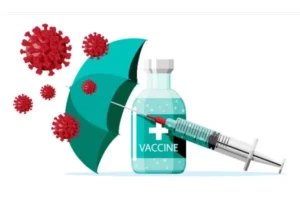
Residents of Carrollton, Plano, and the wider Dallas–Fort Worth region may be eligible to participate in the ACRC Trials' study on a Norovirus vaccine. To find out whether you qualify and how to join, visit: https://www.acrctrials.com/studies/norovirus-vaccine. Taking part in a clinical trial aids scientists in their efforts to stop the stomach flu from spreading globally.


What is the RSV Vaccine Study Texas ?

It is a clinical trial testing a new vaccine to help prevent RSV infections and improve protection for vulnerable groups.

Eligibility depends on age, health, and study criteria. Interested volunteers complete a screening at participating clinical trial centers. 

Participants receive the vaccine, attend follow up visits, and are monitored to evaluate safety and immune response. 

Preventing RSV helps reduce severe respiratory illness, hospitalizations, and complications in children and older adults.

Volunteers support vaccine research that strengthens public health and helps protect communities from RSV outbreaks. 

It is a clinical trial testing a new vaccine to help prevent RSV infections and improve protection for vulnerable groups.

Eligibility depends on age, health, and study criteria. Interested volunteers complete a screening at participating clinical trial centers. 

Participants receive the vaccine, attend follow up visits, and are monitored to evaluate safety and immune response. 

Preventing RSV helps reduce severe respiratory illness, hospitalizations, and complications in children and older adults.

Volunteers support vaccine research that strengthens public health and helps protect communities from RSV outbreaks. 

“I Don’t Want to Be a Guinea Pig” and Other Worries about Vaccine Studies

Myths vs Facts- “I Don’t Want to Be a Guinea Pig” and Other Worries about Vaccine Studies

If you've thought about joining a vaccine study but hesitated, saying, "I don't want to be a guinea pig," you're not the only one. This feeling often hides deeper questions: Will I be safe? Will I be forced into something? Will I lose my independence? Will my personal details stay private?

The good news is that modern clinical research is built around participant rights, safety oversight, informed consent, and the ability to walk away. Let’s break down the most common concerns—myths vs. facts—so you can make a clear, confident decision.

Myth #1: “If I join a vaccine trial, I’m basically a guinea pig.”

Fact: You’re a volunteer with rights—and you’re protected by multiple layers of oversight.

Fact: You’re a volunteer with rights—and you’re protected by multiple layers of oversight.Clinical studies are not uncontrolled; they follow strict guidelines, such as obtaining your consent after explaining everything, continuously monitoring safety, and having independent ethics committees, called IRBs, review them.

At ACRC Trials, vaccine research is conducted in accordance with FDA regulations and under Institutional Review Board oversight, ensuring that safety and ethical concerns are continuously monitored throughout the study.

The bottom line is that you are not being used or exploited. You are kept up to date, monitored, and respected.

Myth #2: “They won’t tell me the risks until it’s too late.”

Fact: You get the details up front—and you can ask questions at any time.

“Informed consent” is a process, not a signature. It includes a clear explanation of:

  • What the study is testing
  • What visits and procedures are involved
  • potential side effects and risks
  • possible benefits
  • Your option to refuse or withdraw 

ACRC Trials highlights the importance of clear staff direction and of ensuring participants feel knowledgeable and supported throughout the experience. 

Myth #3: “What if I have side effects and no one helps?”

Fact: Trials include active safety monitoring and access to care.

Fact: Trials include active safety monitoring and access to care.In vaccine studies, side effects are taken seriously because they’re a key part of understanding safety. ACRC Trials specifically notes 24/7 emergency support, immediate care for side effects, and regular monitoring by licensed doctors

Myth #4: “I’ll be forced to finish the study once I start.”

Fact: Participation is voluntary—you can stop.

You can usually withdraw at any time, for any reason. That’s a foundational principle in ethical research, and it’s reinforced by major medical institutions’ guidance on participant rights and advocacy. 

If something doesn’t feel right for you—timing, discomfort, life changes—you’re not trapped.

Myth #5: “They’ll give me a placebo, and I’ll get nothing.”

Fact: Some studies use a placebo, but you’re still monitored—and you’ll know how it works before you join.

Fact: Some studies use a placebo, but you’re still monitored—and you’ll know how it works before you join.
Some vaccine trials include random assignment to an investigational vaccine or placebo to measure effectiveness. ACRC Trials is transparent about this in their FAQ, noting that health monitoring is equal across groups. Also, placebo use is not a “gotcha.” It’s explained before you ever agree, and it’s only used when ethically appropriate. 

Myth #6: “I don’t have insurance, so I can’t join.”

Fact: Many vaccine trials don’t require insurance for study-related care.

At ACRC, “No health insurance is required” as a participant benefit, along with no-cost study-related exams/consultations and labs/reports. 

While qualification for a study is based on its particular requirements, not having insurance won't automatically prevent you from participating.

Myth #7: “They’ll share my medical information.”

Fact: Your information is protected—and privacy rules are strict.

ACRC Trials complies with HIPAA and maintains participant data confidentiality through restricted access and secure storage.

This matters because privacy is one of the biggest reasons people hesitate—so it’s worth asking exactly how records are stored, who can access them, and what gets shared with sponsors (typically de-identified data).

Myth #8: “Clinical trials are only for ‘very sick’ people.”

Fact: Many vaccine trials look for generally healthy volunteers, too.

At ACRC, ideal participants often include generally healthy individuals (and some studies may allow mild conditions), as well as adults of many ages—especially 50+

Every study has criteria, but “I’m not sick enough” is often an assumption—not a fact.

What participation typically looks like

While each trial is different, ACRC Trials outlines a clear enrollment flow:

  1. Submit the form
  2. A medical screener contacts you
  3. If you’re eligible, you get a no-cost consultation/exam
  4. Visits are scheduled, and you may receive study-related medication
  5. You may receive compensation for time and travel 

ACRC’s vaccine studies include areas like COVID-19 vaccines/boosters, influenza, norovirus, RSV, and UTI vaccines

A practical checklist before you decide

If you’re considering a vaccine clinical trial, ask:

  • What are the usual side effects that have been observed?
  • How many visits are required—and what’s the time commitment?
  • Will I need to avoid other vaccines during the study?
  • Is there a placebo group, and what are the odds?
  • Who do I contact after hours if I feel unwell?
  • How is my data stored, and who can see it?

(Check out the ACRC’s FAQ here for more information https://www.acrctrials.com/studies/vaccine-clinical-trial/ ) 

Final thought: informed beats anxious

A Commitment to Safety and Well-BeingSkepticism is healthy. But most fears about being a “guinea pig” come from not knowing how modern trials work. The reality is: you’re carefully screened, clearly informed, closely monitored, and protected by independent oversight

If you’re curious, the easiest next step is a no-pressure screening conversation—just to see if you qualify and what a specific study would involve. ACRC Trials compensates up to $1,855 for time and travel for vaccine trial participation, and provides a direct phone line for qualification. 


What is the RSV Vaccine Study Texas ?

It is a clinical trial testing a new vaccine to help prevent RSV infections and improve protection for vulnerable groups.

Eligibility depends on age, health, and study criteria. Interested volunteers complete a screening at participating clinical trial centers. 

Participants receive the vaccine, attend follow up visits, and are monitored to evaluate safety and immune response. 

Preventing RSV helps reduce severe respiratory illness, hospitalizations, and complications in children and older adults.

Volunteers support vaccine research that strengthens public health and helps protect communities from RSV outbreaks. 

It is a clinical trial testing a new vaccine to help prevent RSV infections and improve protection for vulnerable groups.

Eligibility depends on age, health, and study criteria. Interested volunteers complete a screening at participating clinical trial centers. 

Participants receive the vaccine, attend follow up visits, and are monitored to evaluate safety and immune response. 

Preventing RSV helps reduce severe respiratory illness, hospitalizations, and complications in children and older adults.

Volunteers support vaccine research that strengthens public health and helps protect communities from RSV outbreaks. 

Why the RSV Clinical Trial in Texas Matters for Community Health 

Why the RSV Clinical Trial in Texas Matters for Community Health 

RSV Vaccine Study

The RSV Vaccine Study Texas is a groundbreaking effort to improve respiratory health and advance RSV prevention in local communities. Respiratory syncytial virus, commonly called RSV, affects thousands of people every year. Infants, young children, and older adults are particularly vulnerable. This clinical trial is designed to test a new vaccine that could protect at-risk populations and provide critical data for public health initiatives. Participation in studies like this helps researchers develop effective strategies for combating RSV while supporting community health efforts across the state. 

Clinical research plays a vital role in understanding how diseases like RSV spread and how vaccines can prevent them. By joining this study, volunteers contribute to scientific knowledge while gaining access to thorough medical monitoring. 

Understanding RSV and Its Risks 

RSV is a respiratory virus that primarily affects the lungs and airways. In healthy adults, RSV may cause mild cold-like symptoms. However, for infants and older adults, RSV can lead to severe illness, including pneumonia and bronchiolitis. RSV spreads easily through respiratory droplets, making prevention strategies critical. 

The Importance of RSV Prevention 

Effective RSV prevention reduces hospitalizations and protects vulnerable populations. Public awareness, hygiene practices, and vaccination are all essential in controlling outbreaks. The RSV Vaccine Study Texas is part of a larger effort to identify vaccines that can help communities stay healthy. 

Communities that participate in clinical trials benefit from early access to medical oversight and contribute to research that may save lives. By preventing RSV, families experience fewer illnesses, and healthcare systems face less strain during peak seasons. 

About the RSV Vaccine Study Texas 

The RSV Vaccine Study Texas evaluates the safety and effectiveness of a new vaccine aimed at preventing RSV infections. Volunteers in the study receive close monitoring from medical professionals throughout the trial. This ensures both participant safety and reliable research data. 

Goals of the Study 

The primary goal of this clinical trial is to determine how well the vaccine prevents RSV. Researchers also monitor side effects and immune response. The study is carefully structured to ensure that volunteers have a positive experience while contributing valuable information. 

Role of Volunteers 

Volunteers play a central role in the success of clinical trials. By participating, they provide insights that help scientists understand how the vaccine performs in real-world conditions. The data collected contributes to RSV prevention strategies that can impact entire communities. 

This study is part of a broader network of research. Vaccine clinical trials and paid clinical trials have contributed to advancements in preventive medicine. These studies highlight how local participation drives meaningful results in public health. 

How Respiratory Vaccine Trials Benefit Communities 

Respiratory vaccine trials provide critical information for the development of vaccines that prevent infections. Communities gain when these studies identify effective ways to reduce the spread of viruses like RSV. 

Direct Benefits to Participants 

For example, participants in the RSV Vaccine Study Texas receive close medical supervision throughout the trial. This includes health screenings, vaccine administration, and follow-up assessments. Volunteers gain valuable information about their own respiratory health while contributing to a broader understanding of RSV prevention. 

Community-Wide Impact 

The findings from these trials help public health officials make informed decisions about vaccine recommendations. Effective vaccines reduce hospitalizations, improve quality of life, and protect vulnerable populations. By supporting clinical trials, communities actively participate in the development of preventive measures that save lives. 

Participation Locations and Opportunities 

The RSV Vaccine Study Texas is conducted at multiple research sites across the state. Volunteers are recruited from cities such as Plano and Austin. This provides convenient access for individuals interested in contributing to clinical research. 

Paid Clinical Trials  

Some study locations offer paid clinical trials. These trials compensate volunteers for their time and participation while ensuring rigorous medical oversight. Participation helps volunteers contribute to public health research and receive medical evaluations that may otherwise be difficult to access. 

Contraceptive Clinical Trials Austin 

The variety of studies available in Texas demonstrates the state’s commitment to clinical research. Contraceptive clinical trials Austin highlight how different types of studies work together to advance healthcare knowledge. The RSV Vaccine Study Texas focuses specifically on respiratory health but is part of a wider network of clinical research opportunities. 

What to Expect During the RSV Vaccine Study 

Participants in the RSV Vaccine Study Texas experience a structured and safe process. Medical staff conduct initial screenings to determine eligibility. Eligible volunteers then receive the vaccine under monitored conditions. 

Step-by-Step Process 

  1. Screening: Volunteers undergo medical evaluations to ensure they meet study criteria. 
  2. Vaccine Administration: The vaccine is administered following strict safety protocols. 
  3. Follow-Up Visits: Participants return for scheduled visits to monitor side effects and measure immune response. 

These steps are designed to make participation manageable, safe, and informative. Volunteers can expect clear instructions and attentive medical care throughout the study. 

RSV Clinical Trial in Texas

The Role of RSV Prevention in Public Health 

RSV prevention is essential for maintaining public health, particularly in communities with vulnerable populations. Clinical trials like the RSV Vaccine Study Texas play a critical role in identifying vaccines that can reduce infections. 

Long-Term Benefits 

By preventing RSV infections, communities experience fewer hospitalizations, lower healthcare costs, and improved quality of life. Children and older adults, who are most at risk, receive the most direct benefits. Families also benefit by reducing the spread of RSV within households. 

Supporting Community Health 

Participation in clinical trials supports a larger goal of public health improvement. Volunteers help researchers test vaccines that could eventually be available to everyone. Every participant contributes to the data that shapes future RSV prevention strategies. 

Advancing Research Through Local Participation 

Local participation in clinical research ensures that studies reflect real-world conditions. Cities like Plano and Austin provide diverse populations that help researchers understand how vaccines perform across different groups. 

Importance of Diverse Volunteers 

Diverse volunteers ensure that study results are applicable to the wider population. Respiratory vaccine trials benefit when participants come from a variety of ages, backgrounds, and health statuses. This diversity leads to vaccines that work effectively for more people. 

Collaboration with Healthcare Providers 

Collaboration between researchers and healthcare providers strengthens community trust in clinical trials. Participants receive expert medical care, and providers gain insight into the latest advances in RSV prevention. 

The Future of RSV Prevention in Texas 

The RSV Vaccine Study Texas is just one step toward broader prevention efforts. Data from this study will help inform vaccine development, distribution, and public health campaigns. 

Expanding Vaccine Access 

Successful trials could lead to wider access to RSV vaccines across Texas. This would reduce the impact of RSV on families, hospitals, and communities. Early participation in clinical trials helps bring these vaccines to the public sooner. 

Continuing Clinical Research 

The ongoing efforts in Texas, including vaccine clinical trials Plano and paid clinical trials Plano, demonstrate the state’s commitment to improving health outcomes. These studies provide a foundation for future research and medical breakthroughs. 

Conclusion 

The RSV Vaccine Study Texas represents a crucial effort in protecting communities from respiratory illnesses. By participating in the study, volunteers contribute to RSV prevention and support the development of safe, effective vaccines. Communities benefit from reduced hospitalizations, improved public health, and access to the latest medical research. 

Participation in local clinical trials, whether in Plano, Austin, or other areas, strengthens public health initiatives and ensures that vaccines meet the needs of diverse populations. The RSV Vaccine Study Texas not only advances science but also empowers communities to take an active role in respiratory health. 

Volunteers in this study are helping to shape the future of RSV prevention in Texas. Their contributions are essential to building healthier communities and improving outcomes for children, adults, and older adults. Supporting clinical research strengthens the foundation of public health while providing participants with valuable medical insight. 

Frequently Asked Questions 

What is the RSV Vaccine Study Texas ?

It is a clinical trial testing a new vaccine to help prevent RSV infections and improve protection for vulnerable groups.

Eligibility depends on age, health, and study criteria. Interested volunteers complete a screening at participating clinical trial centers. 

Participants receive the vaccine, attend follow up visits, and are monitored to evaluate safety and immune response. 

Preventing RSV helps reduce severe respiratory illness, hospitalizations, and complications in children and older adults.

Volunteers support vaccine research that strengthens public health and helps protect communities from RSV outbreaks. 

It is a clinical trial testing a new vaccine to help prevent RSV infections and improve protection for vulnerable groups.

Eligibility depends on age, health, and study criteria. Interested volunteers complete a screening at participating clinical trial centers. 

Participants receive the vaccine, attend follow up visits, and are monitored to evaluate safety and immune response. 

Preventing RSV helps reduce severe respiratory illness, hospitalizations, and complications in children and older adults.

Volunteers support vaccine research that strengthens public health and helps protect communities from RSV outbreaks. 

Understanding ACRC’s RSV Vaccine Study in Texas: Who Can Participate? 

Understanding ACRC’s RSV Vaccine Study in Texas: Who Can Participate? 

ACRC RSV Vaccine Study

The RSV Vaccine Study Texas is an important research initiative focused on improving protection against respiratory syncytial virus. This virus can cause mild symptoms in healthy adults but may lead to severe complications in infants, older adults, and people with underlying health conditions. By participating in this study, volunteers contribute to ongoing vaccine research Texas programs that benefit local communities and support global scientific progress. 

In this article, you will learn who qualifies, what the process involves, and how ACRC ensures participant safety. You will also see how other ACRC studies offer additional research opportunities for those who want to contribute to medical science. 

What Is RSV and Why Is Research Important? 

Respiratory syncytial virus is one of the leading causes of respiratory infections in the United States. Although many people recover quickly, others experience severe symptoms that require medical attention. Because RSV spreads easily and returns seasonally, researchers continue studying new ways to prevent and manage infections. 

The RSV Vaccine Study Texas aims to evaluate how new vaccines support immune responses and reduce the severity of illness. Every volunteer plays an important role in helping researchers develop data that can be used to improve future treatment options. 

How ACRC Conducts an RSV Vaccine Study 

Every respiratory syncytial virus study at ACRC is conducted with careful planning, strict oversight, and participant safety in mind. Research teams include experienced medical professionals, coordinators, and support staff who help guide volunteers through each study phase. 

Study Planning and Safety Oversight 

Before enrolling participants, the study design is reviewed by medical experts and ethics committees. These reviews ensure that safety guidelines are followed and that all research procedures meet regulatory standards. 

Participant-Centered Approach 

ACRC focuses on communication, comfort, and transparency. Each volunteer receives clear instructions, personalized support, and regular check-ins throughout the study. 

Who Can Join the RSV Vaccine Study Texas? 

Eligibility varies by study design, but most participants must: 

  • Be 18 years or older 
  • Meet general health requirements 
  • Be able to attend scheduled visits 
  • Have not recently received an RSV vaccine 
  • Be willing to follow study procedures 

A screening team will help confirm eligibility before enrollment. 

Why Consider Participating? 

ACRC’s RSV Vaccine Study in Texas

Volunteers choose to join for many reasons. Participation allows you to support important medical research, learn more about your health through professional monitoring, and contribute to the development of vaccines and treatments. Your involvement helps improve prevention strategies and community health, making a meaningful impact for both yourself and others. 

You Support Medical Progress 

Your involvement directly assists vaccine research Texas programs that help improve future vaccines and strengthen community health. Your participation adds valuable data that researchers use to understand how new vaccines perform. Each volunteer helps accelerate the development process so more people can be protected sooner. Your contribution supports scientific progress that benefits both current and future generations. 

You Receive Complimentary Health Monitoring 

Throughout the study, you receive health assessments at no cost. These assessments may provide helpful insights about your well-being. 
Participants often appreciate the additional medical attention and regular check-ins. These visits allow research staff to track any changes and offer personalized guidance when needed. Many volunteers find the extra oversight gives them confidence and peace of mind during the study. 

You May Receive Compensation 

Most studies include compensation for time and travel, making participation more accessible and rewarding. Compensation helps offset any potential inconvenience caused by study visits. It ensures that participating in medical research remains fair and inclusive for all volunteers. 
Many people appreciate that they can support science while also receiving financial recognition for their time. 

You Help Strengthen Public Health 

Better vaccines help reduce hospitalizations and improve prevention strategies for RSV outbreaks. Your involvement contributes to safer communities by helping researchers identify effective prevention tools. Study outcomes can lead to new vaccine options that protect vulnerable populations. Each participant plays an important part in building healthier communities and improving future care. 

What to Expect When You Join an RSV Study 

If you decide to participate, here is what typically happens, along with expanded details for clarity: 

Initial Screening Appointment 

During the screening visit, the research team gathers detailed information about your overall health. They may review your medical history, current symptoms, and medications you take. This step confirms that you are a good match for the study and can safely participate. 

Informed Consent Discussion 

A study coordinator explains each part of the study, including potential risks and expected benefits. You can ask questions at any time to make sure everything is clear. You only move forward once you fully understand the study and agree to participate. 

Study Participation 

After enrollment, you follow a structured schedule of visits and check-ins. You may receive the investigational vaccine early in the process. 
Research staff monitor your health, collect data, and support you each step of the way. 

Follow-Up Period 

After your main visits are completed, the team continues to check on your well-being. This may include phone calls, online surveys, or short follow-up visits. This phase helps researchers understand long-term results and overall safety. 

Every part of the respiratory syncytial virus study is designed to be clear, supportive, and participant-centered. 

Vaccine Clinical Trials : Supporting Community Immunity 

ACRC also conducts vaccine clinical trials in Plano for individuals who want to contribute to research beyond RSV. These studies focus on testing new vaccines designed to prevent a range of illnesses. Participants receive medical oversight from trained professionals and often receive compensation for their time. This provides an opportunity for Plano residents to take part in high-quality scientific research close to home. 

How the RSV Study Supports Vaccine Research in Texas 

Texas plays an important role in national medical innovation. ACRC contributes to this progress by leading clinical trials that help advance vaccine development. Data from the RSV Vaccine Study Texas will contribute to improved prevention tools, informing future health strategies across the state. Through these efforts, ACRC continues to strengthen public health infrastructure and expand access to research participation for people of all backgrounds. 

Paid Clinical Trials: Additional Research Opportunities 

For individuals looking for compensated research opportunities, ACRC offers paid clinical trials in Plano that focus on various medical conditions. These trials allow participants to support scientific progress while receiving compensation for time and travel. Each study has its own eligibility requirements and provides professional health monitoring throughout participation. 

Contraceptive Clinical Trials Austin: Advancing Women’s Health 

ACRC also supports women’s health research through contraceptive clinical trials in Austin
These studies evaluate the safety and effectiveness of new contraceptive options. 
Women who join contribute to advancements that may improve future reproductive healthcare.  As with all studies, participant comfort and safety remain top priorities. 

How to Apply for the RSV Vaccine Study Texas 

Applying is simple. You can visit ACRC’s website or contact a team member for help with the application process.  The research staff will review eligibility requirements, explain next steps, and help you decide if participating is right for you. 
Participation is completely voluntary, and you may withdraw at any time if your circumstances change. 

Final Thoughts 

Joining the RSV Vaccine Study Texas is a meaningful way to support public health, advance vaccine development, and learn more about your own health. ACRC is committed to providing a supportive experience centered on transparency and participant safety. Whether you are interested in RSV research, vaccine development, or other medical studies, ACRC offers opportunities that help move science forward while supporting your community. 

Frequently Asked Questions 

What is the RSV Vaccine Study Texas?

The RSV Vaccine Study Texas is a clinical trial that tests new vaccines designed to prevent respiratory syncytial virus. Volunteers help researchers evaluate safety and effectiveness while contributing to future public health improvements. 

Adults 18 years or older who meet health requirements and can attend scheduled visits are typically eligible. Participants should not have received a recent RSV vaccine and must be willing to follow study procedures. 

Participants go through an initial screening, informed consent discussion, scheduled study visits, and a follow-up period. The research team monitors health and collects data while ensuring safety and comfort throughout. 

Yes, most studies provide compensation for time and travel. This makes participation more accessible and allows volunteers to contribute to important research while receiving financial support. 

Interested individuals can apply online through ACRC’s website or contact the research team. Staff will review eligibility, explain study details, and guide applicants through the enrollment process. 

The RSV Vaccine Study Texas is a clinical trial that tests new vaccines designed to prevent respiratory syncytial virus. Volunteers help researchers evaluate safety and effectiveness while contributing to future public health improvements. 

Adults 18 years or older who meet health requirements and can attend scheduled visits are typically eligible. Participants should not have received a recent RSV vaccine and must be willing to follow study procedures. 

Participants go through an initial screening, informed consent discussion, scheduled study visits, and a follow-up period. The research team monitors health and collects data while ensuring safety and comfort throughout. 

Yes, most studies provide compensation for time and travel. This makes participation more accessible and allows volunteers to contribute to important research while receiving financial support. 

Interested individuals can apply online through ACRC’s website or contact the research team. Staff will review eligibility, explain study details, and guide applicants through the enrollment process. 

Eligibility & Process for Joining a Hypertension Clinical Study 

Eligibility & Process for Joining a Hypertension Clinical Study 

Hypertension Clinical Study

Hypertension, commonly referred to as high blood pressure, is one of the most widespread chronic health conditions worldwide. It is a major risk factor for heart disease, stroke, kidney disease, and other serious medical complications. While many people manage hypertension with lifestyle changes and medications, others continue to struggle with uncontrolled blood pressure or experience side effects from existing treatments. This ongoing challenge highlights the importance of clinical research in developing safer, more effective therapies. 

Hypertension clinical studies play a critical role in advancing medical science. These studies test new medications, treatment strategies, or management approaches to improve blood pressure control and reduce long-term health risks. Research organizations such as ACRC Trials conduct carefully monitored studies that follow strict medical and ethical standards. Understanding who is eligible and how the process works can help individuals make informed decisions about joining a hypertension clinical study. 

This article explains the eligibility criteria, screening process, enrolment steps, and participant responsibilities involved in joining a hypertension clinical study. 

Understanding Hypertension Clinical Studies 

A hypertension clinical study is a carefully designed research program involving human participants. Its purpose is to evaluate the safety, effectiveness, and outcomes of new treatments or therapeutic approaches for managing high blood pressure. These studies may involve investigational medications, new combinations of existing drugs, or innovative treatment protocols. 

Clinical studies follow structured research protocols that outline how the study will be conducted, who can participate, and what data will be collected. Each study is reviewed and approved by regulatory and ethical committees before enrolling participants, ensuring that participant safety and rights are protected throughout the research process. 

Individuals interested in ongoing hypertension clinical studies can review available research opportunities and learn whether they may qualify to participate. 

Why People Choose to Participate 

People join hypertension clinical studies for many reasons. Some are interested in gaining access to new treatment options, while others want to contribute to medical research that may benefit future patients. Participation may also provide regular health monitoring and structured medical oversight during the study period. 

Many participants appreciate the opportunity to learn more about their condition through frequent assessments and interactions with medical professionals. For some, joining a study is a proactive step toward managing their hypertension more effectively. 

Eligibility Criteria for Hypertension Clinical Studies 

Eligibility criteria are essential for ensuring both participant safety and reliable research results. These criteria define who can and cannot participate in a specific study. While eligibility requirements vary by study, most hypertension clinical trials share common considerations. 

1. Age Requirements 

Most hypertension studies enroll adults, typically starting at 18 years of age. Some studies may focus on older adults, while others include a broader age range. Age limits help researchers evaluate how treatments work in specific populations. 

2. Diagnosis of Hypertension 

Participants usually must have a confirmed diagnosis of hypertension or consistently elevated blood pressure readings. Some studies require a history of high blood pressure over a certain period, while others may focus on newly diagnosed individuals or those with treatment-resistant hypertension. 

3. Overall, Health Status 

Medical history plays a key role in determining eligibility. Researchers review conditions such as heart disease, kidney disease, diabetes, or recent cardiovascular events. These factors help determine whether participation is safe and whether results will accurately reflect the study’s objectives. 

4. Current Medications 

Many hypertension studies have specific requirements related to medication use. Some may require participants to be on stable blood pressure medications, while others may exclude individuals taking certain drugs that could interfere with the study treatment. Medication history is carefully reviewed during screening. 

5. Additional Factors 

Other eligibility considerations may include body weight, lifestyle factors, and the ability to attend scheduled study visits. Women of childbearing potential may need to meet specific requirements related to pregnancy prevention to ensure safety during the study. 

Eligibility criteria are not meant to exclude people unnecessarily but to ensure that study results are meaningful and that participants are protected from avoidable risks. 

 Hypertension Clinical Study


The Screening Process 

Screening is the first formal step toward joining a hypertension clinical study. It is designed to determine whether a potential participant meets all eligibility requirements. 

The process usually begins when an individual expresses interest in a study and completes an initial review of basic health information. If this information suggests potential eligibility, a screening visit is scheduled. 

During screening, participants may undergo blood pressure measurements, physical examinations, and laboratory tests. These assessments confirm eligibility and ensure it is safe to proceed. Participants also receive detailed explanations of study procedures, timelines, and expectations during this stage. 

Screening does not guarantee enrolment, but individuals who do not qualify for one study may be considered for future opportunities. 

Informed Consent 

Informed consent is a critical component of the clinical research process. Before enrolling, participants review a detailed consent document that explains the study’s purpose, procedures, potential risks, benefits, and participant rights. 

Participants are encouraged to ask questions and take time to understand the information provided. Signing the informed consent form confirms that participation is voluntary and that the individual understands what the study involves. 

Enrollment and Baseline Evaluation 

Once eligibility is confirmed and informed consent is completed, the participant is officially enrolled. Enrolment typically includes baseline evaluations such as blood pressure readings, laboratory tests, and questionnaires. These measurements provide a reference point for tracking changes throughout the study. 

Participation During the Study 

During the active study period, participants attend scheduled visits as outlined in the study protocol. These visits may involve receiving the study treatment, undergoing health assessments, and discussing any symptoms or concerns with the research team. 

Blood pressure monitoring is a central component of hypertension studies, and participant safety is closely tracked throughout the study. Clear communication and adherence to study guidelines help ensure reliable and meaningful results. 

Safety and Oversight 

Hypertension clinical studies operate under strict safety and ethical oversight. Independent review boards monitor study conduct, and medical professionals supervise participant health throughout the research process. Safety data are reviewed regularly to identify and address potential concerns promptly. 

After the Study Ends 

After the study concludes, participants may attend follow-up visits to monitor long-term outcomes and ensure a smooth transition back to routine medical care. Study results are analysed and may contribute to future advancements in hypertension treatment. 

Participants who have questions or wish to explore participation opportunities can reach out directly by contacting the research team for guidance and additional information. 

Voluntary Participation and Withdrawal 

Participation in a hypertension clinical study is always voluntary. Participants may withdraw at any time without penalty or impact on their regular medical care. This ensures that individuals remain in control of their healthcare decisions throughout the research process. 

Is Joining a Hypertension Clinical Study Right for You? 

Deciding to join a hypertension clinical study is a personal choice. Understanding eligibility requirements, study procedures, and participant responsibilities can help individuals determine whether participation aligns with their health goals and lifestyle. 

Discussing clinical study options with healthcare providers and asking questions during the screening process can further support informed decision-making. 

Conclusion 

Hypertension clinical studies are essential to improving the prevention and treatment of high blood pressure. These studies rely on volunteers who meet specific eligibility criteria and are willing to participate in a structured research process. 

From screening and informed consent to active participation and follow-up, each step is designed to protect participant safety and generate reliable medical data. For individuals living with hypertension, joining a clinical study can be a meaningful way to contribute to medical progress while receiving comprehensive health monitoring. 

By understanding the eligibility requirements and enrollment process, potential participants can make informed decisions about whether a hypertension clinical study is the right choice for them. 

Frequently Asked Questions 

What is a hypertension clinical study?

A hypertension clinical study is a research program designed to evaluate new treatments, medications, or management approaches for high blood pressure. These studies help improve future care and treatment options. 

Eligibility typically includes adults with a diagnosis of high blood pressure who meet specific health and medical criteria. Factors such as age, medical history, and current medications are reviewed during screening. 

Screening involves an initial review of health information, blood pressure measurements, and sometimes lab tests. This process determines whether a person meets the study’s eligibility requirements. 

Yes. Studies follow strict medical and ethical guidelines, and participants are closely monitored by trained research professionals throughout the study to ensure safety. 

Yes. Participation is completely voluntary. Participants can withdraw from a hypertension clinical study at any time without affecting their regular medical care. 

A hypertension clinical study is a research program designed to evaluate new treatments, medications, or management approaches for high blood pressure. These studies help improve future care and treatment options. 

Eligibility typically includes adults with a diagnosis of high blood pressure who meet specific health and medical criteria. Factors such as age, medical history, and current medications are reviewed during screening. 

Screening involves an initial review of health information, blood pressure measurements, and sometimes lab tests. This process determines whether a person meets the study’s eligibility requirements. 

Yes. Studies follow strict medical and ethical guidelines, and participants are closely monitored by trained research professionals throughout the study to ensure safety. 

Yes. Participation is completely voluntary. Participants can withdraw from a hypertension clinical study at any time without affecting their regular medical care. 

Norovirus Vaccine Study: Preventing Severe Stomach Illness Through Research 

Norovirus Vaccine Study: Preventing Severe Stomach Illness Through Research 

Norovirus Vaccine Study


Norovirus infection is a leading cause of acute viral gastroenteritis worldwide. Often referred to as the “stomach flu,” norovirus spreads rapidly and causes sudden vomiting, diarrhea, nausea, and abdominal pain. While symptoms typically last only a few days, the illness can be severe, particularly for young children, older adults, and individuals with weakened immune systems. Because norovirus is highly contagious and resistant to many standard sanitation methods, outbreaks remain common in communities, healthcare facilities, schools, and long-term care settings. 

Despite its significant public health impact, there has historically been no approved vaccine to prevent norovirus infection. However, ongoing clinical research conducted by organizations such as ACRC Trials is advancing scientific efforts to develop vaccines that may reduce the severity and spread of this common stomach illness. 

This article explores how norovirus vaccine studies work, why vaccine development is challenging, and how researchers are moving closer to effective prevention strategies. 

Understanding Norovirus and Its Public Health Impact 

Norovirus is a highly contagious virus that spreads through contaminated food or water, direct contact with infected individuals, and contact with contaminated surfaces. Even small amounts of the virus can cause infection, making it difficult to control once an outbreak begins. 

Each year, norovirus is responsible for millions of cases of gastroenteritis globally. While many individuals recover without complications, norovirus can lead to severe dehydration, hospitalization, and, in rare cases, death. Healthcare systems face significant strain during outbreaks, and economic losses from missed work and medical care are substantial. 

The virus’s ability to survive on surfaces for extended periods and resist common disinfectants makes prevention particularly difficult. These challenges highlight the urgent need for an effective vaccine to reduce infection rates and limit outbreak severity. 

Why a Norovirus Vaccine Is Needed 

Current prevention strategies rely heavily on hygiene measures such as handwashing, surface disinfection, and food safety practices. While important, these measures alone are not always sufficient to stop norovirus transmission. 

A norovirus vaccine could provide additional protection by reducing susceptibility to infection and decreasing symptom severity. Vaccination could be especially beneficial in high-risk environments such as nursing homes, hospitals, cruise ships, and childcare facilities. 

Clinical research suggests that even partial immunity may significantly reduce illness severity and viral shedding, helping to slow transmission. This potential impact has driven increased investment in norovirus vaccine development over recent years. 

How Norovirus Vaccine Studies Work 

Norovirus vaccine studies are clinical research trials designed to evaluate the safety and effectiveness of vaccine candidates. These studies follow strict scientific and ethical guidelines to ensure participant safety and data reliability. 

Researchers test whether a vaccine can stimulate an immune response strong enough to protect against norovirus infection or reduce illness severity. Trials may also assess how long immunity lasts and whether protection extends across multiple virus strains. 

Information about active norovirus vaccine studies helps potential participants understand ongoing research efforts and study objectives. 

 norovirus vaccine studies 

Challenges in Developing a Norovirus Vaccine 

Developing a vaccine for norovirus presents unique challenges. One of the biggest obstacles is the virus’s genetic diversity. Norovirus includes multiple strains that frequently mutate, making it difficult to create a vaccine that provides broad and lasting protection. 

Additionally, natural immunity following norovirus infection tends to be short-lived. People can become infected multiple times throughout their lives, sometimes with the same strain. This characteristic complicates vaccine design and evaluation. 

Historically, researchers also struggled to grow norovirus in laboratory settings, limiting the ability to study the virus. Recent scientific advances have improved laboratory models and immune response analysis, allowing vaccine research to move forward more effectively. 

Types of Norovirus Vaccine Candidates 

Several vaccine approaches are currently under investigation: 

Virus-Like Particle Vaccines 

These vaccines mimic the structure of norovirus without containing live virus. They help the immune system recognize the virus and generate protective antibodies without causing infection. 

Oral Vaccine Formulations 

Oral vaccines aim to stimulate immune responses directly in the digestive tract, where norovirus infection occurs. This approach may help reduce viral shedding and transmission. 

mRNA-Based Vaccines 

Newer mRNA technologies instruct the body’s cells to produce viral proteins that trigger immune responses. These platforms offer flexibility and faster development timelines. 

Each approach is being evaluated through clinical trials to determine which provides the safest and most effective protection. 

Clinical Trial Phases Explained 

Norovirus vaccine development progresses through several clinical trial phases: 

Phase 1 

Early trials assess safety and tolerability in small groups of healthy volunteers. 

Phase 2 

These studies involve larger groups and focus on immune response, dosage, and continued safety evaluation. 

Phase 3 

Large-scale trials evaluate vaccine effectiveness in preventing illness or reducing severity across diverse populations. 

Only vaccine candidates that demonstrate strong safety and efficacy profiles advance through each stage. 

Participant Eligibility and Study Involvement 

Eligibility criteria vary by study but typically include age requirements, overall health status, and the ability to comply with study procedures. Participants receive detailed information during the informed consent process before enrolling. 

Once enrolled, participants attend scheduled study visits, receive the investigational vaccine or placebo, and undergo regular health monitoring. Researchers track immune responses, symptoms, and any side effects to ensure participant safety. 

Safety and Ethical Oversight 

Norovirus vaccine studies operate under strict ethical oversight. Independent review boards evaluate study protocols, and ongoing monitoring ensures participant safety throughout the trial. 

Participants have the right to withdraw at any time without penalty. Transparency, informed consent, and safety monitoring are fundamental principles of all clinical research. 

Potential Benefits of a Successful Vaccine 

An approved norovirus vaccine could significantly reduce infection rates and outbreak severity. Potential benefits include: 

  • Fewer cases of severe gastroenteritis
  • Reduced hospitalizations due to dehydration
  • Lower transmission in high-risk environments
  •  Economic savings from reduced healthcare use and lost productivity
  • Even partial protection could substantially improve public health outcomes 

The Future of Norovirus Prevention 

While no norovirus vaccine is yet approved for general use, current research shows promising progress. Advances in immunology and vaccine technology are improving the chances of developing effective long-term protection. 

Ongoing clinical trials will determine whether current candidates meet safety and efficacy standards required for approval. Continued participation and data collection are essential to moving research forward. 

Individuals interested in learning more about participation opportunities or study details can reach research teams through the contact page for additional guidance.

Conclusion 

Norovirus remains a major cause of severe stomach illness worldwide, but scientific research is steadily advancing toward prevention. Vaccine studies play a critical role in evaluating new approaches that may reduce infection severity and transmission. 

Through carefully designed clinical trials, researchers are working to overcome the challenges of viral diversity and short-lived immunity. While more research is needed, progress in norovirus vaccine development offers hope for reducing the burden of this highly contagious illness in the future. 

Frequently Asked Questions 

What is the purpose of a norovirus vaccine study?

The goal is to develop a vaccine that can prevent norovirus infections or reduce the severity of symptoms such as vomiting, diarrhea, and dehydration. 

Norovirus spreads easily and causes severe gastroenteritis, leading to outbreaks, hospitalizations, and increased health risks for children, older adults, and vulnerable individuals. 

Researchers conduct controlled clinical studies to evaluate vaccine safety, immune response, and effectiveness in preventing illness or reducing symptom severity. 

Eligibility depends on factors such as age, overall health, and medical history. Each study has specific criteria to ensure participant safety. 

A successful vaccine could reduce severe stomach illness, limit outbreaks, lower healthcare costs, and improve public health outcomes worldwide. 

The goal is to develop a vaccine that can prevent norovirus infections or reduce the severity of symptoms such as vomiting, diarrhea, and dehydration. 

Norovirus spreads easily and causes severe gastroenteritis, leading to outbreaks, hospitalizations, and increased health risks for children, older adults, and vulnerable individuals. 

Researchers conduct controlled clinical studies to evaluate vaccine safety, immune response, and effectiveness in preventing illness or reducing symptom severity. 

Eligibility depends on factors such as age, overall health, and medical history. Each study has specific criteria to ensure participant safety. 

A successful vaccine could reduce severe stomach illness, limit outbreaks, lower healthcare costs, and improve public health outcomes worldwide.